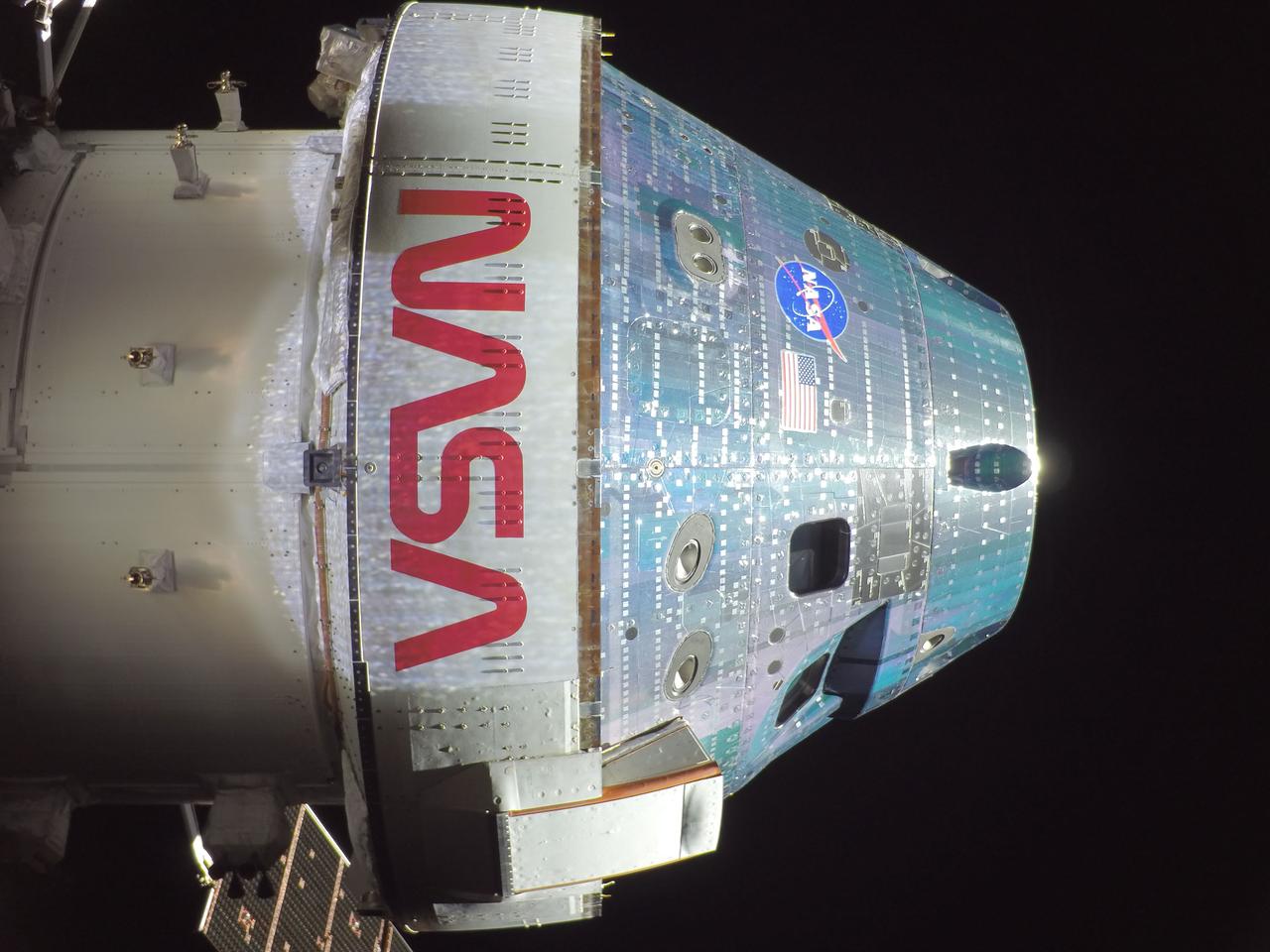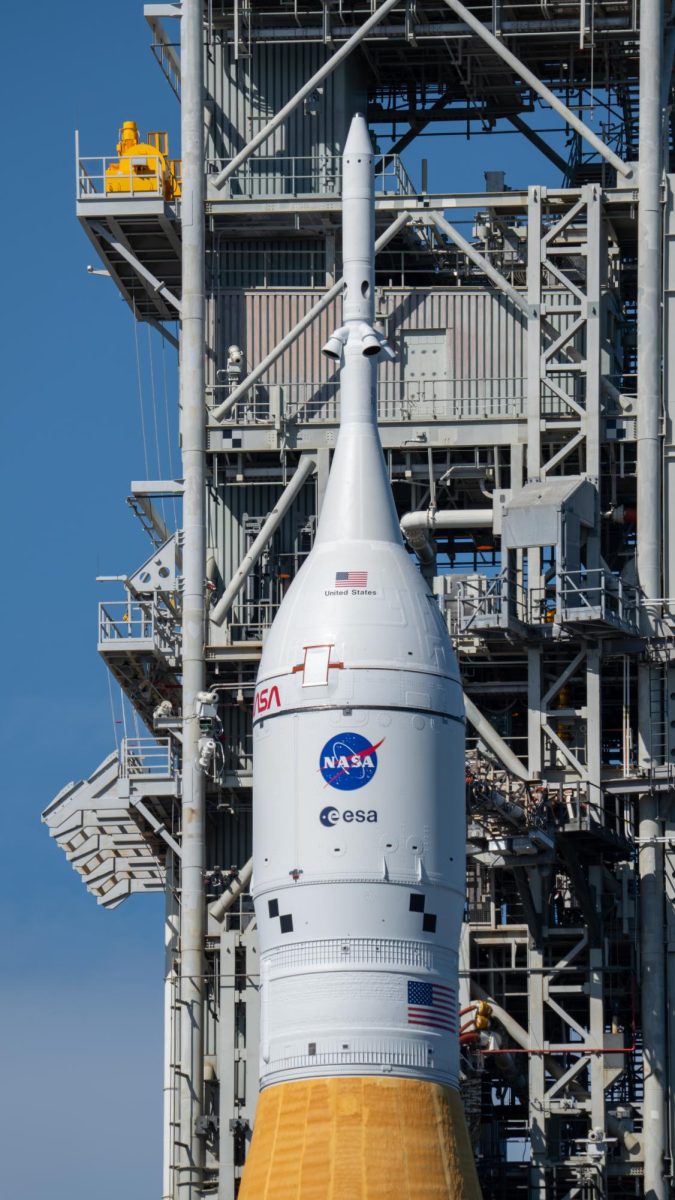




NASA’s Artemis II mission safely landed in the Pacific Ocean on April 10th. This marks the end of a ten day mission that orbited the moon. This is the furthest we’ve traveled into space since the Apollo missions over fifty years ago. The four person crew orbited the moon in a spacecraft named Orion.
You might wonder, what’s the point? Artemis II didn’t even land on the moon, so what were they there for?
Well, it was mostly for research purposes. The astronauts and ground scientists did lots of studies on human welfare indeep space. They tracked the effects of prolonged space flight, microgravity, and more on the astronauts health and performance. All of these studies feed into NASA’s larger plan for a base on the moon, and a crewed mission to Mars. Radiation outside of the Orion spacecraft was also measured to understand more of the deep space environment and what may need to be accounted for when going further into space.
The crew on this mission consisted of three American astronauts and one Canadian. The commander on this mission was Reid Wiseman, a navy veteran with a Master’s of Science in systems engineering. Victor Glover, the pilot for the Orion spacecraft, who has a double master’s degrees in military art and science, and systems engineering. T
he other two members are mission specialists. The first is Jeremy Hansen, who has a Master’s in physics and is the first Canadian to venture near the moon. The other is Christina Koch, who has a Master’s in electrical engineering and set a record for longest spaceflight taken by a woman.
That’s all you need to know about Artemis II and Orion, but here’s a quick summary of the Artemis missions going forward:
- Artemis 3- scheduled for 2027. Test commercial landers in l
ow earth orbit. - Artemis 4- Target early 2028. Land on the moon and investigate the possibility of long-duration human presence on the moon.
- Artemis 5- Target late 2028. Expected to start building Nasa’s moon base